Electrical Safety Inspections: What Homeowners Need to Know
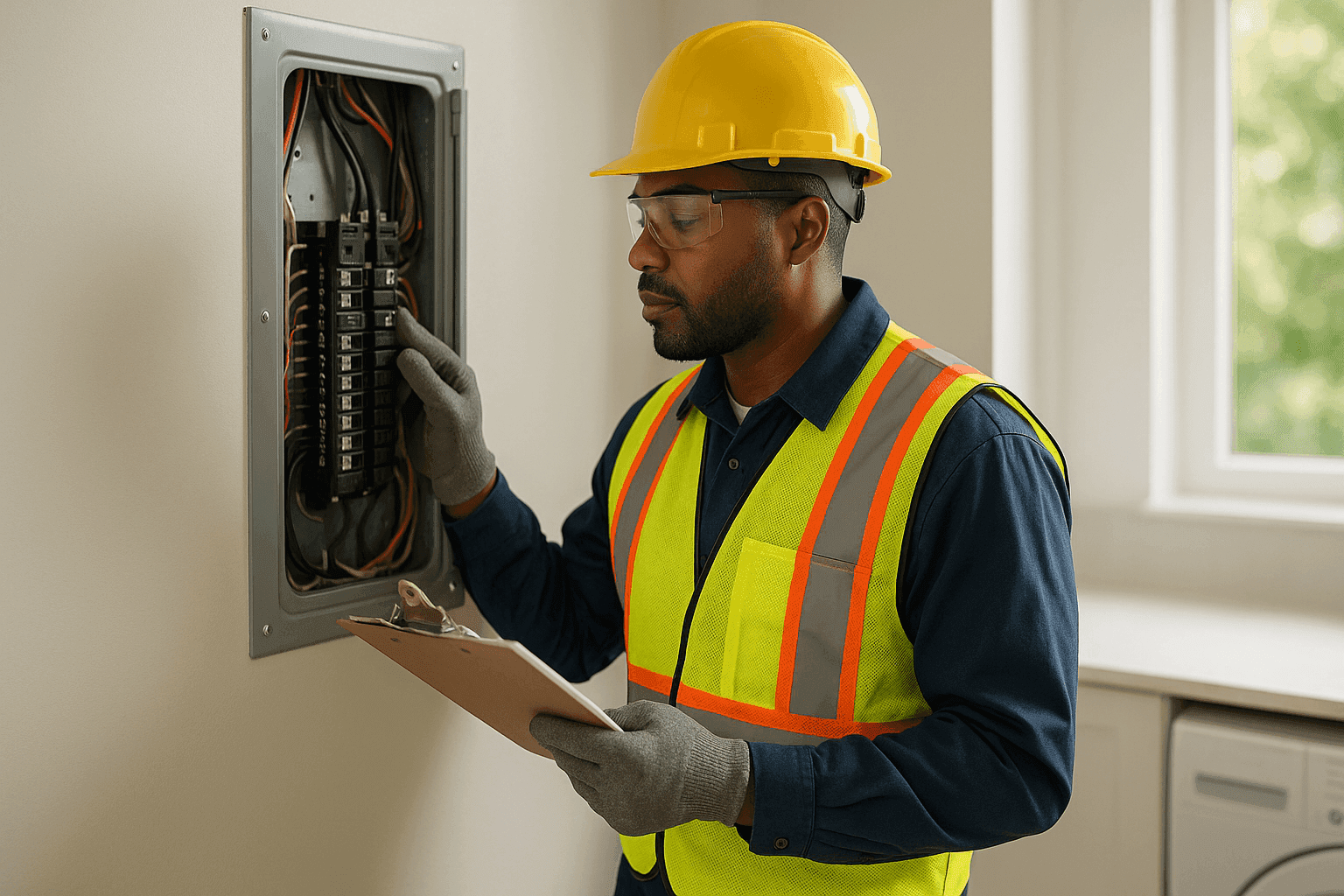
It’s easy to take your home’s wiring for granted. Outlets, switches, and lights just work—until they don’t. But behind the scenes, small issues can quietly grow into safety threats. That’s why electrical safety inspections matter. They’re not just about checking boxes; they’re about protecting what matters most.
At GeorgeTech Electric, we see firsthand how regular inspections catch problems early, prevent hazards, and keep families safe. Whether you’re in a century-old house or a new build, a thorough look by a licensed electrician can bring peace of mind and help you stay code-compliant.
Why Electrical Safety Inspections Matter ⚡
Picture your home’s electrical system like the circulatory system of your body. If something gets blocked or starts to leak, the results can be dangerous—sometimes catastrophic. Faulty wiring is a leading cause of residential fires, according to the National Fire Protection Association (NFPA). Inspections can catch these risks before they spark trouble.
Reasons electrical safety inspections matter for homeowners:
- Fire Prevention: Hidden faults, overloaded circuits, and outdated wiring are top causes of home fires.
- Legal Compliance: Meeting local and national codes (like the National Electrical Code, or NEC) isn’t optional. Skipping inspections can lead to insurance headaches or failed home sales.
- Peace of Mind: Knowing a certified electrician has checked everything lets you sleep better at night.
- Safety for All: Protects children, pets, and everyone else who lives or visits your home.
- Protects Investments: Early detection of electrical issues can save thousands in repairs.
What’s Included in a Typical Inspection
A proper inspection isn’t a quick peek behind one outlet. It’s more like a detective’s search for clues, using experience and specialized tools. Here’s what’s usually on the checklist:
- Electrical Panels: Inspecting for corrosion, overloaded breakers, and correct labeling.
- Wiring & Circuits: Checking for frayed wires, improper connections, or evidence of overheating.
- Outlets & Switches: Testing for grounding, secure connections, and GFCI/AFCI protection (especially in kitchens, bathrooms, and outdoors).
- Grounding Systems: Verifying the system is correctly grounded to prevent shock hazards.
- Smoke & Carbon Monoxide Detectors: Ensuring devices are installed, operational, and up to date.
- Lighting & Fixtures: Looking for signs of overheating, loose fixtures, or incorrect bulb wattage.
- Appliances: Checking wiring and connections on major appliances like ovens, dryers, and generators.
- Surge Protection: Assessing the presence and condition of surge protection devices.
- Pool & Spa Equipment: Confirming safe, code-compliant wiring for outdoor features.
- Certificates: Verifying documentation for installations or upgrades as required by local authorities or insurance.
- Low Voltage Systems: Examining phone, internet, and data cabling for safety and code compliance.
A licensed electrician will also review your home's compliance with the latest safety codes, such as the NEC, and any local amendments.
When and How Often to Schedule
The right timing for inspections isn’t one-size-fits-all. But some guidelines can help:
- When buying or selling a home: Always arrange an inspection before closing.
- After major renovations: New circuits, additions, or upgraded panels require a professional sign-off.
- Every 3–5 years: For most homes, a routine inspection every few years is wise.
- After a major event: Floods, fires, or significant power surges call for immediate checks.
- Older homes: Houses over 40 years old should be inspected more frequently, as insulation and connections degrade over time.
Warning Signs You Need an Inspection
Don’t wait for disaster. If you notice any of these, call an electrician near you right away:
- Flickering or dimming lights
- Outlets or switches that feel warm to the touch
- Frequent tripped breakers or blown fuses
- Buzzing sounds from outlets or panels
- Burning smells or discolored outlets
- Shock or tingling when touching appliances
- Rodents or water damage near wiring
How to Prepare Your Home
A little prep helps the electrician work efficiently:
- Clear access to electrical panels, outlets, and major appliances.
- Remove fragile items or clutter near inspection areas.
- Make a list of any electrical issues or oddities you’ve noticed.
- Secure pets away from work areas.
- If possible, have a copy of past inspection reports or permits handy.
Quick Safety Checklist for Homeowners
While you shouldn’t try to diagnose every problem yourself, these simple checks can help you spot trouble early:
- Test smoke and carbon monoxide detectors monthly.
- Check GFCI outlets by pressing the “test” and “reset” buttons.
- Look for frayed cords or loose plugs—never ignore them.
- Avoid overloading power strips and extension cords.
- Notice any breakers that trip repeatedly.
- Make sure outdoor outlets have weatherproof covers.
- Replace burned-out bulbs with the correct wattage.
- Keep water away from all electrical devices.
If anything seems off, it’s time to bring in an electrician.
DIY vs. Call a Pro
It’s tempting to tackle small fixes yourself. After all, swapping a lightbulb is easy. But when it comes to wiring, panels, or anything behind the walls, it’s not worth the risk.
DIY is ok for:
- Changing light bulbs
- Resetting tripped breakers (once)
Call a licensed electrician for:
- Wiring, rewiring, and panel work
- Installing outlets, switches, or fixtures
- Replacing or upgrading circuit breakers
- Installing EV chargers, generators, or major appliances
- Anything involving high voltage or code compliance
Remember: improper electrical work can void insurance, fail inspections, and put your family at risk.
What Pros Do On Arrival
When an electrician from GeorgeTech Electric arrives, here’s what you can expect:
- Walkthrough: A brief discussion about concerns or known issues.
- Visual Inspection: Checking visible wiring, outlets, and panels.
- Testing: Using voltage testers, circuit analyzers, and other tools to check safety.
- Code Review: Comparing your system to the latest NEC and local codes.
- Documentation: Providing Certificates for completed work, as needed.
- Recommendations: Explaining any issues found and practical, prioritized solutions.
Professional electricians use their training and experience to see risks the untrained eye can miss.
Prevention & Maintenance
Staying proactive keeps your home safe year-round. Here’s how:
- Schedule regular inspections (every few years, or after major changes).
- Upgrade old wiring in homes over 40 years old.
- Replace outdated panels (like those with fuses or known recall issues).
- Install surge protection to defend against lightning or power surges.
- Add GFCI and AFCI protection in kitchens, bathrooms, and bedrooms.
- Label your breaker panel so you (and first responders) can act fast in an emergency.
Following guidelines from the NEC and the NFPA helps ensure you’re meeting the gold standard in safety.
Costs & Time Factors
Electrical safety inspections are an investment in your home’s well-being. The total cost and time depend on:
- Size of your home: Larger homes take longer to inspect.
- Age of wiring: Older systems often require more attention.
- Number of circuits and panels: More complexity means a longer inspection.
- Extent of issues found: Minor fixes may be addressed on the spot; major issues may need follow-up.
Most inspections take from 1–3 hours. Costs vary widely, but remember: catching a problem now is almost always cheaper than emergency repairs later.
When It’s an Emergency 🚨
Some electrical problems can’t wait. If you experience any of these, call for 24 hour service immediately:
- Sparking or arcing from outlets or panels
- Power loss to half or more of your home without explanation
- Burning smells or visible smoke near wiring
- Water contact with electrical systems
- Repeated breaker trips with no clear cause
Never hesitate in these situations. Safety comes first.
FAQ: Common Questions from Homeowners
Q: Do I need an inspection if my home passed one years ago?
A: Yes. Codes change, wiring ages, and new appliances add load. Regular checks keep you current and safe.
Q: Will I get a certificate after an inspection?
A: For certain services or upgrades, yes. Certificates near you may be required by local authorities or insurance.
Q: Is it safe to do my own electrical work?
A: Minor tasks are fine, but anything involving wiring, panels, or new circuits requires a licensed electrician.
Q: How do I know if my home is up to code?
A: Only a professional inspection can confirm compliance with the latest NEC and local amendments.
Local and Seasonal Considerations
Climate and local conditions matter. Wet climates increase the risk of corrosion; high heat can stress older wiring. In areas prone to storms, surge protection and generator readiness are crucial. Seasonal changes—like running extra heaters in winter or adding pool equipment in summer—can push systems to their limits. Schedule inspections before peak demand to ensure everything runs smoothly.
Electrical safety inspections aren’t just another item on your to-do list—they’re a key part of home ownership. They protect your investment, keep your family safe, and help you meet the requirements for Certificates near you. When it comes to your home’s wiring, don’t leave anything to chance.
Call GeorgeTech Electric now — or reach us anytime at 877-748-7084 .