The Complete Guide to Home Electrical Panel Upgrades
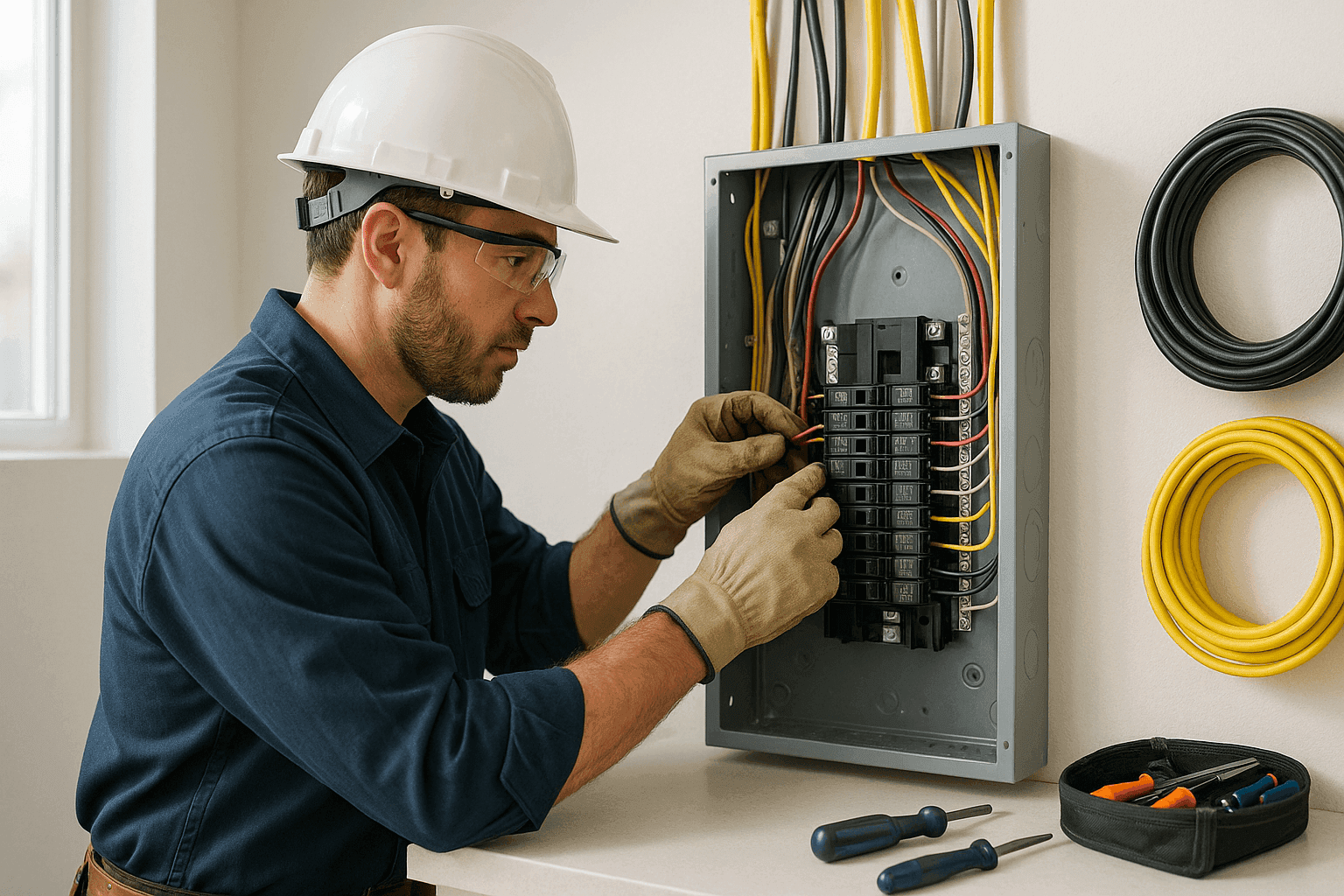
Is your home’s electrical panel working overtime? Flickering lights, tripped breakers, or hot panels can feel like warning whispers from your house. Most people don’t think about their panel until something goes wrong—but by then, it’s often too late to avoid headaches or hazards.
At GeorgeTech Electric, we know the safety and comfort of your family depend on a reliable electrical system. Let’s cut through the confusion and help you decide if it’s time to upgrade your panel, what the process looks like, and how to keep your home powered safely for years to come.
What Is an Electrical Panel and Its Role? ⚡
Think of your electrical panel as the heart of your home’s wiring system. It takes electricity coming from the utility line and sends it out, through arteries (wires and circuits), to power everything from your fridge to your phone charger.
- Main job: Distribute power safely to every room and outlet.
- Breaker switches: Act as bodyguards, shutting off power if there’s a problem.
- Modern panels: Handle today’s higher energy demands, including EV chargers, heat pumps, and smart home devices.
- Old or overloaded panels: Can struggle, like a heart trying to pump blood through clogged arteries.
Without a healthy, up-to-date panel, your home is at risk for outages—or worse, electrical fires.
Signs Your Panel Needs an Upgrade
How do you know if your panel is just tired, or crying out for help? Watch for these signs:
- Frequent breaker trips: Like a car stalling in traffic, it means something’s not right.
- Flickering or dimming lights: Especially when major appliances kick on.
- Buzzing sounds or burning smells: Never normal. Always a red flag.
- Warm or hot panel cover: Should only ever be slightly warm, if at all.
- Rust, corrosion, or visible damage: Moisture and electricity are a dangerous mix.
- Insufficient power for new appliances or additions: If you’re adding an EV charger, home office, or new HVAC, your old panel may not keep up.
- Outdated fuse box: Most homes now use circuit breakers. If you still have fuses, it’s time for an upgrade.
If any of these feel familiar, don’t wait. Electrical issues rarely solve themselves.
The Upgrade Process Explained
Upgrading your electrical panel isn’t just a swap—it’s a careful, multi-step process designed to keep your home safe and code-compliant.
- Assessment: Your electrician inspects your existing panel, wiring, and overall system. They’ll check capacity, condition, and safety.
- Permits and scheduling: Electrical work requires local permits and must meet code (the National Electrical Code, or NEC, is the standard). Your electrician handles this.
- Power shut-off: For safety, the utility company may need to cut power to your home during the upgrade.
- Panel replacement: The old panel is removed; a new one, sized for your needs, is installed. Circuits are reconnected and labeled clearly.
- Inspection: A city or county inspector confirms the work meets all safety and code requirements.
- Restoring power: Once passed, power is turned back on and every circuit is tested.
You’ll get updated documentation, including Certificates near you if required, showing your system is safe and up to code.
Safety and Code Considerations
Electrical codes aren’t just rules—they’re lifesavers. The National Fire Protection Association (NFPA) updates the NEC regularly to address new risks and technologies. Insurance companies often require proof that your panel meets these codes, especially for homes with additions or major upgrades.
- Only licensed electricians should upgrade panels.
- Permits and inspections are mandatory in nearly all areas.
- Panels must be labeled, grounded, and sized for your home’s needs.
If you’re selling or remodeling, a code-compliant panel isn’t just a safety step—it can impact your insurance and resale value.
Typical Costs and Timelines
Costs vary, depending on your home’s size, the panel’s capacity, and local code requirements. Here’s what to expect:
- Panel upgrades generally take one full day. Larger homes or complex wiring may require more time.
- Permits and inspection add time, usually a few days to a week, depending on your local inspector’s schedule.
- Costs range widely. Factors include panel size (amperage), wiring updates, and any repairs needed during the upgrade.
Remember: Upgrading your panel isn’t just an expense—it’s an investment in your home’s safety, reliability, and even future tech-readiness.
Quick Safety Checklist Before You Act 🛑
- Never ignore burning smells or buzzing from your panel.
- Don’t overload outlets with extension cords or power strips.
- If breakers trip repeatedly, call a professional electrician.
- Keep your panel area clear—no storage or clutter nearby.
- Schedule safety inspections every 3–5 years, or after renovations.
DIY vs. Call a Pro
Replacing or upgrading a panel is not a DIY job. Electricity is invisible—and unforgiving. Mistakes can cause fires, shocks, or void your insurance.
- Homeowners can: Check for obvious signs of aging or damage. Flip breakers if needed.
- Leave to the pros: Any work inside the panel, rewiring, or upgrades.
A licensed electrician brings knowledge, tools, and safety training. They also ensure you get Certificates near you, proving your system meets local requirements.
What Pros Do On Arrival
When your GeorgeTech Electric technician arrives, here’s what you can expect:
- Listen to your concerns and inspect your panel.
- Check all connections, ground wires, and circuit labeling.
- Test for hidden faults using specialized equipment.
- Review your home’s electrical load—are you running more tech than before?
- Recommend the right panel size and features for your family’s needs.
- Explain the process and answer your questions, clearly and honestly.
Prevention & Maintenance
A new panel is only as good as the care it receives. Simple steps can extend its life:
- Schedule regular electrical safety inspections—especially before adding major appliances.
- Keep the panel dry and free of dust.
- If you notice flickering lights or warm covers, act quickly.
- Update the panel’s circuit map whenever you remodel or add new circuits.
Costs & Time Factors
- Standard panel upgrades: Usually completed in one day. Larger or older homes may take longer.
- Permit and inspection process: Add a few days to a week, depending on your location.
- Costs: Depend on amperage, panel brand, and any required repairs or rewiring. Expect higher costs for larger homes or added features like surge protection or generator-ready panels.
Remember, the lowest bid isn’t always the safest. Quality work means peace of mind.
When It’s an Emergency
If you notice burning smells, visible sparks, smoke, or your panel is physically hot to the touch, call for emergency electrical service immediately. Don’t wait—these are signs of real danger.
Turn off power at the main shutoff if you can do so safely, and keep away from the panel until a certified electrician arrives. At GeorgeTech Electric, we offer 24 hour service for urgent electrical issues.
FAQ: Electrical Panel Upgrades
Q: How often should I replace my electrical panel?
A: Most panels last 25–40 years, but heavy use, corrosion, or code changes can shorten lifespan.
Q: Can I add more breakers to an old panel?
A: Sometimes, but only if there’s available space, and the panel isn’t already overloaded. An electrician can advise.
Q: Are all new panels the same?
A: No, panels come in different sizes, brands, and features—some are smart-ready or surge protected.
Q: Will upgrading my panel increase my home value?
A: A modern, code-compliant panel is a big plus for buyers, insurance, and future upgrades like EV chargers.
Local and Seasonal Considerations 🌦️
If you live in an area with frequent storms, consider panels with built-in surge protection or generator-ready features. Older neighborhoods sometimes have outdated wiring—upgrades may take longer, but bring lasting safety. Always check local codes, as requirements can change from city to city.
Electrical panels are the gatekeepers of your home’s safety and comfort. If you have any doubts—or just want peace of mind—reach out to our team for a thorough inspection and expert advice. At GeorgeTech Electric, your safety comes first.
Call GeorgeTech Electric now — or reach us anytime at 877-748-7084 .