How to Troubleshoot Common Electrical Problems at Home
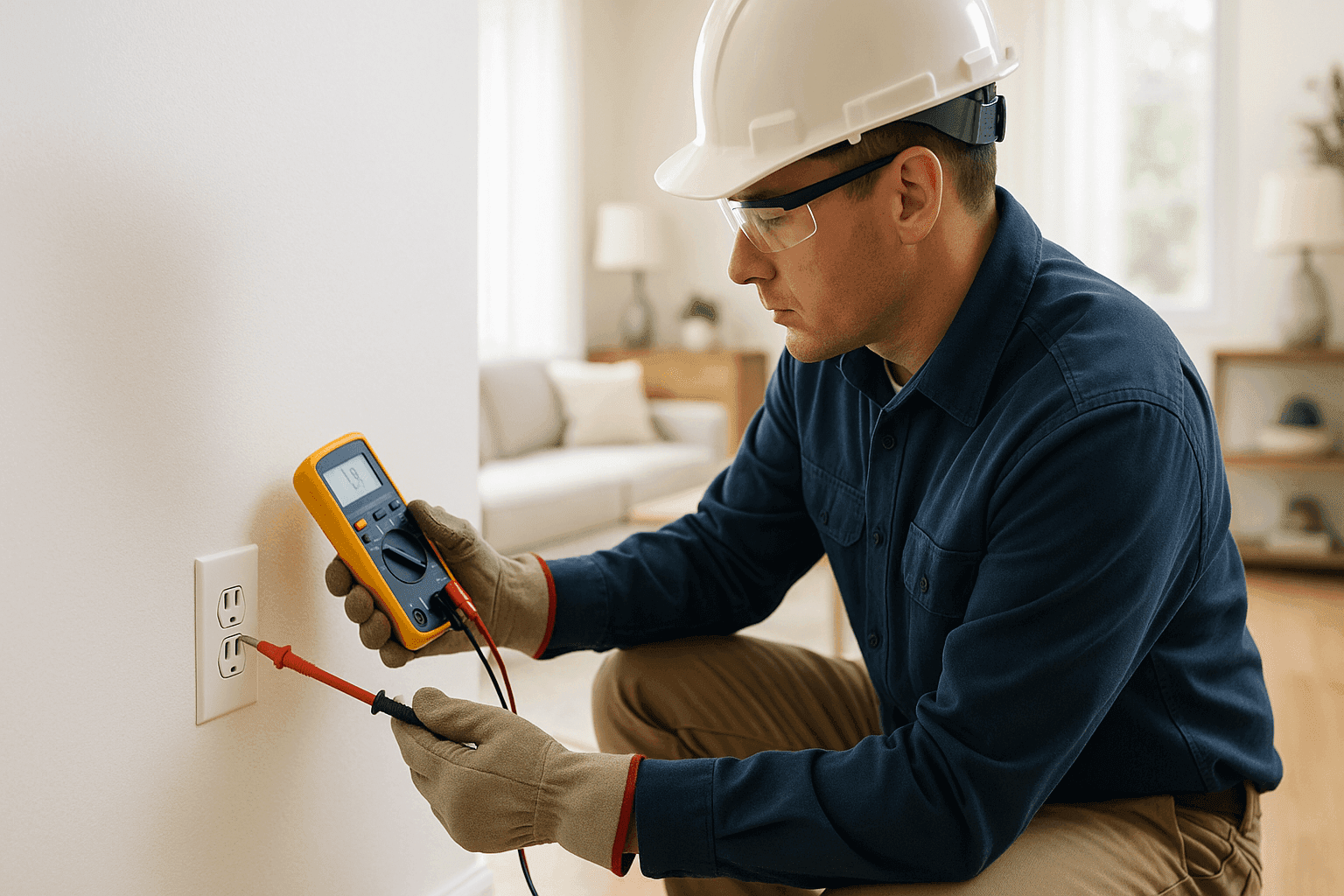
Electricity keeps our homes humming—lights on, devices charged, appliances running smoothly. But when something goes wrong, it can feel like the whole house comes to a standstill. If you’ve ever flicked a switch and nothing happened, or heard a mysterious crackle from a wall outlet, you know that uneasy feeling.
At GeorgeTech Electric, we meet homeowners every day who want to understand what’s happening behind their walls. Here’s a practical guide to recognizing and safely troubleshooting the most common home electrical problems—and knowing when it’s time to call a licensed electrician.
Identifying Common Electrical Issues ⚡
Every home has its quirks. But some electrical warning signs shouldn’t be ignored. Keep an eye (and ear) out for:
- Flickering or dimming lights: Like a candle in the wind, this often points to loose wiring or overloaded circuits.
- Tripped circuit breakers: If you’re heading to the breaker box more often than the fridge, something’s off.
- Dead outlets or switches: Suddenly, nothing works. Or maybe a single outlet has always been a dud.
- Sparking or buzzing: Outlets, switches, or even appliances making odd noises are waving a red flag.
- Burning smell or discolored outlets: That “hot plastic” odor or brown marks? Shut off power and act quickly.
- Repeated blown fuses: Especially in older homes, this means your system is crying out for help.
Recognizing these symptoms is the first step to keeping your home safe and your family protected.
Step-by-Step Troubleshooting
Before you grab a screwdriver, let’s walk through a logical, safe approach.
Safety Precautions
Electricity is powerful—treat it with respect. Always:
- Turn off power at the breaker before inspecting outlets or switches.
- Use insulated tools and wear rubber-soled shoes.
- Test for power with a voltage tester or non-contact sensor before touching wires.
- Never work in wet conditions or with damp hands.
- Know your limits. If you’re unsure, pause and call an electrician.
The National Fire Protection Association (NFPA) and the U.S. Consumer Product Safety Commission both stress: safety comes first.
Troubleshooting Guide
1. Flickering or Dimming Lights
- Check the bulb: Sometimes it’s just loose or burnt out.
- Inspect the fixture: Gently wiggle the light; if it flickers, wiring might be loose.
- Test other devices: If multiple lights flicker, the circuit could be overloaded.
- Breaker check: Head to the panel. Has the breaker tripped? Reset it once—never repeatedly.
2. Tripped Circuit Breakers
- Unplug appliances: Something may be drawing too much power.
- Reset the breaker: Flip it fully to ‘off’, then back to ‘on’.
- Watch for repeat trips: More than once? There’s likely a deeper issue.
3. Dead Outlets or Switches
- GFCI reset: Many kitchens and bathrooms have GFCI outlets. Press the reset button and try again.
- Test other outlets: If several are dead, check the breaker or fuse.
- Look for damage: Burn marks, loose plates, or buzzing all signal danger.
4. Frequent Blown Fuses
- Reduce load: Unplug high-wattage devices.
- Check fuse rating: Are you using the right size?
- Inspect wiring: Old or damaged wiring often trips fuses.
5. Buzzing, Sparking, or Burning Smells
- Stop using the outlet or switch immediately.
- Turn off power at the panel.
- Call an electrician. This is no time for DIY.
When to Call an Expert
Some problems are like a leaky roof in a thunderstorm—too risky for a quick fix. Call a licensed electrician if you notice:
- Persistent tripping breakers or blowing fuses.
- Outlets, switches, or cords that feel warm or hot.
- Any sign of smoke, burning odor, or visible sparks.
- Buzzing at the panel, not just outlets.
- Power outages in part (but not all) of your home.
These issues often point to deeper wiring problems, overloaded circuits, or equipment failures. Certified electricians, equipped with the right testing tools and up-to-date safety knowledge, can diagnose and repair safely.
Homeowner vs. Pro: What’s Safe to Check?
Safe for Homeowners:
- Replacing bulbs and resetting GFCI outlets.
- Checking the breaker panel for obvious tripped breakers.
- Using a plug-in tester to check for power at outlets.
Leave to the Pros:
- Replacing outlets, switches, or fixtures.
- Repairing or replacing wiring.
- Diagnosing repeated trips, sparks, or smells.
- Installing new circuits, panels, or high-voltage appliances.
If you’re aiming to update your system, add an EV charger, or need Certificates near you for insurance or code compliance, always turn to a licensed electrician.
What Pros Do On Arrival
When you call GeorgeTech Electric, here’s what you can expect:
- Initial assessment: We listen to your description and walk through affected areas.
- Testing: Using professional meters, we check voltage, amperage, and continuity.
- Inspection: We examine outlets, switches, panels, and visible wiring for signs of wear, heat, or damage.
- Root cause analysis: With experience and code knowledge, we pinpoint the source—be it a single outlet or a whole circuit.
- Clear recommendations: We explain your options before any repairs begin.
Our team follows all current National Electrical Code (NEC) guidelines for your safety.
Prevention & Maintenance Tips
The best fix is avoiding trouble in the first place. Here’s how you can keep your electrical system healthy:
- Don’t overload outlets with too many devices or power strips.
- Replace damaged cords immediately.
- Schedule periodic electrical safety inspections—especially in older homes.
- Test GFCI and AFCI outlets monthly.
- Keep water away from outlets—especially in kitchens, baths, or near pools.
- Label your breaker panel clearly for quick action.
Regular maintenance isn’t just about convenience—it’s about safety.
Costs & Time Factors
Every electrical job is different. Some fixes—like replacing a breaker—can be done in under an hour. Others, such as rewiring or panel upgrades, require more time and expertise.
Typical timelines:
- Minor repairs: 30–90 minutes.
- Panel or wiring upgrades: Several hours to a full day.
- Inspections: 1–2 hours.
Cost factors:
- Complexity of the issue.
- Parts or equipment needed.
- Time on site.
Remember, investing in safe, code-compliant repairs pays off by protecting your home and family.
When It’s an Emergency
Certain scenarios demand immediate action:
- Smoke or fire: Evacuate and call emergency services.
- Power loss to essential systems: Such as medical devices or sump pumps.
- Major sparking, arcing, or burning smells: Shut off power at the main breaker (if safe) and call for help.
GeorgeTech Electric offers 24-hour emergency service for urgent electrical problems—day or night.
FAQ
Q: Why do my lights flicker when I use the microwave or vacuum?
A: Large appliances draw more current, causing small voltage drops. But if lights dim significantly, your circuit may be overloaded or wiring connections could be loose.
Q: What’s the difference between a blown fuse and a tripped breaker?
A: Both cut power to protect your system. Fuses melt and must be replaced; breakers simply reset. Frequent trips or blows mean there’s an underlying issue.
Q: Is it safe to use extension cords long-term?
A: No—extension cords are for temporary use only. Permanent wiring should be installed by a licensed electrician.
Q: Do I need Certificates after electrical work?
A: Yes, especially for major repairs or upgrades. Certificates near you confirm that work meets current code and insurance standards.
Local & Seasonal Considerations
In many regions, weather and local codes affect electrical systems:
- Storms and outages: Surge protection and backup generators are smart investments.
- Older homes: May have outdated wiring or panels—schedule a safety inspection.
- Pool & Spa season: Electrical systems near water need extra protection and GFCI outlets.
- EV charger installations: Ensure your panel can handle the load before upgrading.
Check local building codes or speak with your city’s permitting office for region-specific requirements.
Electrical problems can be frustrating—or frightening. With the right approach, you can spot small issues before they become big headaches. But never risk your safety. If in doubt, reach out to a licensed electrician.
Call GeorgeTech Electric now — or reach us anytime at 877-748-7084 .