Protecting Your Home From Power Surges: A Homeowner’s Guide
Every homeowner plugs in, powers up, and expects everything to just work. Yet, lurking behind your walls is a threat that strikes in an instant: the power surge. It’s fast, silent, and can fry your favorite smart TV, your refrigerator, or even your home’s wiring. Most people don’t realize the risk until it’s too late.
At GeorgeTech Electric, we see the fallout every day. As an electrician providing certificates near you, we know the cost of skipping surge protection isn’t just about electronics—it’s about your home’s safety. Let’s break down why surges happen, what’s at stake, and how to keep your home protected.
What Causes Power Surges? ⚡
Picture electricity as a steady river flowing through your home. Sometimes, an unexpected rush—like a flash flood—slams into that calm flow. That’s a power surge.
Surges can come from:
- Lightning Strikes: A single bolt can send thousands of volts racing through your wiring.
- Utility Company Switching: When the power grid switches or is restored after an outage, a jolt can enter your home.
- Large Appliances Cycling On/Off: Refrigerators, air conditioners, and even vacuum cleaners can cause small, repeated surges.
- Wiring Issues: Loose connections or aging wiring increase the risk.
- Downed Power Lines: Accidents or storms can send unpredictable currents surging your way.
According to the National Fire Protection Association (NFPA), surges are among the leading causes of residential electrical fires. The key? Knowing what triggers them—and preparing for the worst.
Risks to Home Systems and Devices
Think of a surge as a tidal wave slamming into tiny boats. Your electronics and appliances—TVs, computers, smart thermostats, and kitchen devices—are those boats. Some float on, others sink.
What’s at risk?
- Sensitive Electronics: TVs, computers, gaming consoles, modems, and routers can be instantly destroyed.
- Major Appliances: Refrigerators, washers, dryers, and HVAC systems can suffer hidden damage that shortens their life.
- Wiring and Outlets: Repeated surges can weaken insulation and connections, raising fire risks.
- Safety Devices: Smoke and carbon monoxide detectors, alarms, and home automation systems may fail when you need them most.
The worst part? Damage isn’t always obvious. Like a hairline crack in a dam, the problem can grow unnoticed until it’s catastrophic.
Types of Surge Protectors
Surge protectors come in two main flavors. Think of them as storm doors: one covers the whole house, the other shields just a single room.
Whole-House vs. Plug-In Solutions
-
Whole-House Surge Protectors:
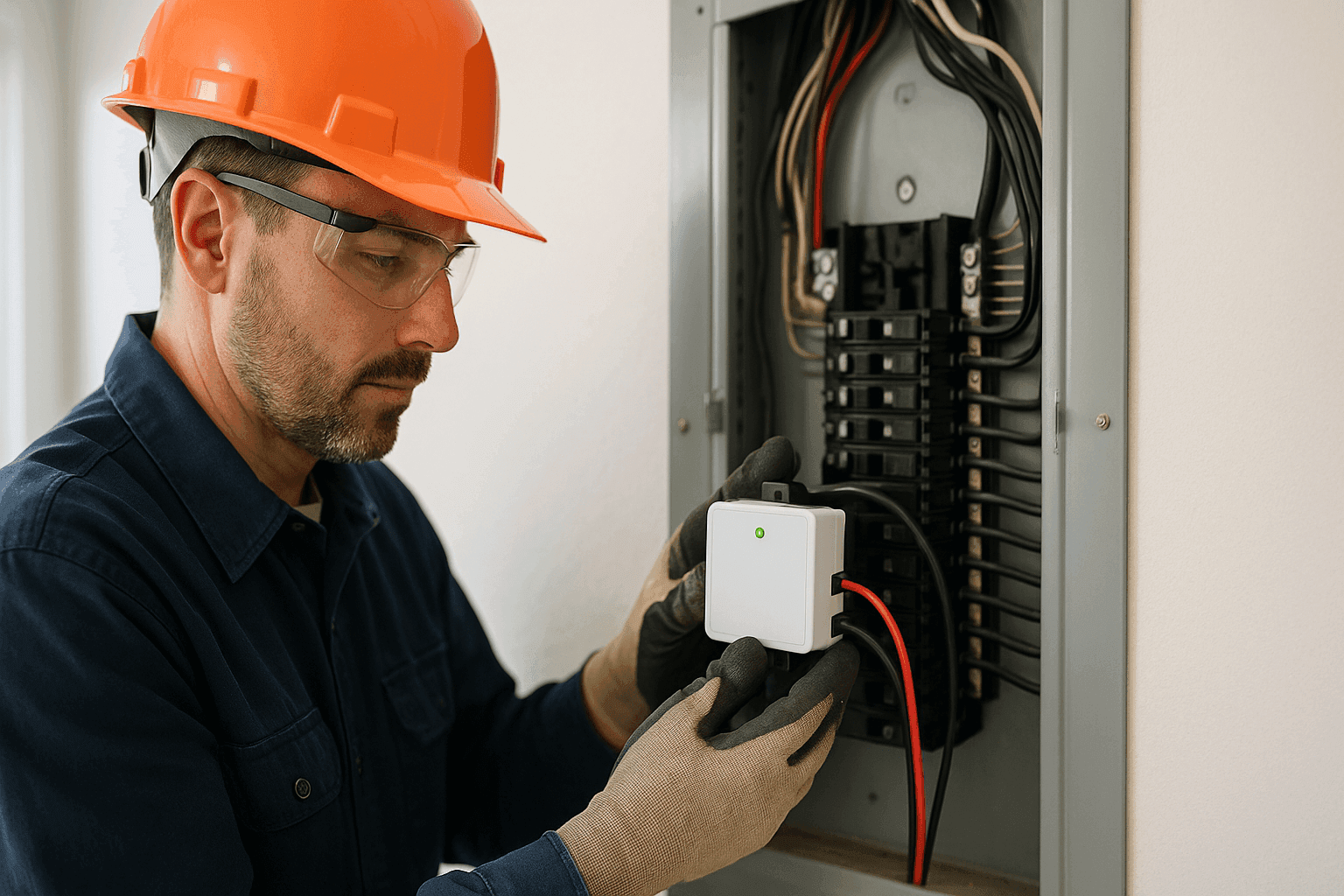
Installed at your main electrical panel by a licensed electrician, this device acts like a bouncer at the front door. It stops dangerous surges before they spread to your wiring and outlets. If you’re searching for certificates near you or considering an upgrade, this is the gold standard for total-home protection. -
Plug-In Surge Protectors:
These look like power strips. They plug into wall outlets and protect only the devices connected to them. Great for electronics in your living room or home office, but they can’t shield appliances hardwired into your home—like your furnace or dishwasher.
So, which should you choose?
If your home is a castle, plug-in protectors are like shields for individual knights. Whole-house protection draws the moat all the way around. For the best defense, many homes use both.
Installation and Maintenance
Whole-house protectors aren’t a DIY job. They’re wired directly into your electrical panel. Only a qualified electrician with the proper certificates should tackle this. Why?
- Safety: Main panels carry high voltage. Mistakes can be deadly.
- Code Compliance: Local and national codes (like the National Electrical Code) set strict standards for installation.
- Insurance: Some home insurance policies require professional installation for surge protection claims.
Once installed, surge protectors need regular checkups, just like a smoke detector.
- Test Indicator Lights: Most have a light to show they’re working. If it’s off or red, call an electrician.
- Inspect After Major Storms: Big surges can “wear out” these devices. When in doubt, schedule a safety check.
- Replace Every 3–5 Years: Even the best units degrade over time.
Quick Safety Checklist
Before trouble strikes:
- Unplug electronics during severe storms.
- Avoid overloading outlets with too many devices.
- Use certified surge protectors (look for UL 1449 listing).
- Schedule regular electrical safety inspections.
- Know where your main panel is—and keep it accessible.
DIY vs. Call a Pro
Some surge protection is plug-and-play. Power strips with built-in protection are fine for laptops and TVs. But if you want whole-house coverage, don’t risk it.
- Installers with electrical certificates near you know how to wire safely, meet code, and keep your insurance valid.
- DIY work on main panels can void home warranties and create fire hazards.
Bottom line: For major protection, always call a licensed electrician.
What Pros Do On Arrival
When a GeorgeTech Electric technician arrives, here’s what happens:
- Assess your home’s electrical system and risk factors.
- Check your main panel and wiring for issues.
- Recommend the right surge protector for your needs.
- Professionally install and test the unit.
- Provide certificates and safety documentation—so you’re covered for insurance and peace of mind.
Prevention & Maintenance
Think of surge protection as a seatbelt. You hope you never need it, but you’ll be glad it’s there.
Ongoing tips:
- Make surge protection part of your regular home safety routine.
- Test indicator lights on surge protectors monthly.
- Schedule an annual electrical safety inspection—especially after renovations, adding major appliances, or moving into an older home.
- Replace any protector that has taken a major hit or shows warning lights.
Costs & Time Factors
Surge protectors come in all shapes and sizes. Plug-in strips are affordable and easy to use. Whole-house systems cost more up front, but they protect everything in your home.
- Plug-in Protectors: Usually installed in minutes.
- Whole-House Units: Installation takes a few hours, depending on panel access and wiring.
- Maintenance: Minimal—mainly inspection and testing.
Remember, many insurance companies recommend or require professional surge protection for claims involving electronics and appliances.
When It’s an Emergency
Did you just experience a power surge? Smell burning or see sparks? Don’t wait.
- Unplug electronics immediately.
- Turn off power at the main panel if safe.
- Call a licensed electrician for emergency service.
GeorgeTech Electric offers 24 hour service—because surges don’t keep business hours.
FAQ: Homeowner Surge Protection
Q: Can I rely on plug-in surge protectors alone?
A: Plug-ins help, but they don’t protect hardwired systems. For full-home safety, combine both types.
Q: How do I know if my surge protector is working?
A: Most have an indicator light. If it’s off, replace it or call an electrician.
Q: Do I need a surge protector if I don’t have expensive electronics?
A: Yes. Surges can damage any electrical device—including appliances, safety systems, and wiring.
Q: How often should I check or replace my surge protectors?
A: Inspect monthly, especially after storms. Replace every 3–5 years, or sooner if damaged.
Local and Seasonal Considerations
Surge risks spike during storm season and in areas with frequent utility outages. If you live in a region prone to lightning or have older wiring, your need is even greater.
Winter storms and summer brownouts both increase surge frequency. Schedule an electrical safety inspection before stormy months begin.
The Bottom Line
Power surges can happen in the blink of an eye. The damage lasts much longer. Protect your home, your electronics, and your peace of mind by making surge protection a priority.
Call GeorgeTech Electric now — or reach us anytime at 877-748-7084 .